Detaljplaner i Osby
Antal digitala detaljplaner: 11
Antal användningsbestämmelser: 82
Senaste datauppdatering: 2026-05-13 kl. 20:56
Data bearbetad: 2026-05-31
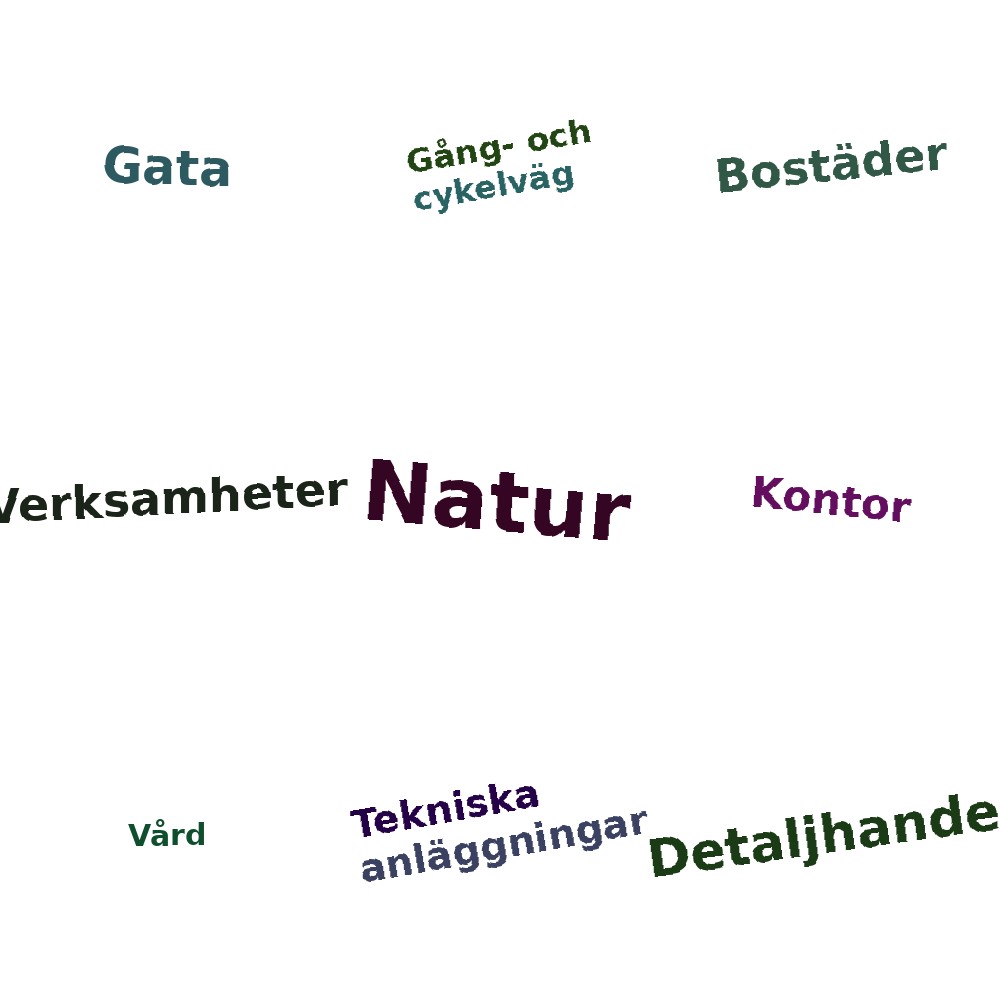
Vanligaste bestämmelserna
- Natur (19)
- Detaljhandel (9)
- Gata (8)
- Bostäder (7)
- Verksamheter (7)
- Kontor (6)
- Tekniska anläggningar (5)
- Gång- och cykelväg (3)
- Vård (2)
- Vall (2)
AI-analys av läget
JSON data about detailed plans (detaljplaner) for Osby municipality. Analysis of the data.
    1.  Start with the total number of plans and status distribution.
    2.  Analyze the purposes (syften) of the plans.
    3.  Discuss the regulations (bestämmelser) without using exact numbers.
    4.  End with a summary conclusion in a separate paragraph.

    *   Minimum 600 words.
    *   Maximum 700 words.
    *   Use HTML paragraph tags (`<p>`).
    *   Language: Swedish.

*   *Municipality:* Osby.
*   *Population:* 13,200 (7,800 in the largest urban area).
*   *Group:* Small towns/rural municipalities, commuting municipality near a small town.
*   *Total Plans:* 11.
*   *Status:* All 11 are "laga kraft" (legally binding).
*   *Top Regulations:* Nature (19), Retail (9), Street (8), Housing (7), Businesses (7), Offices (6), Technical facilities (5), Pedestrian/Cycle paths (3), Care (2), Embankment (2).
*   *Purposes:*
    *   Bus station relocation.
    *   New school and sports facilities (2 plans).
    *   Retail, offices, businesses, fuel sales.
    *   General business development (industrial area expansion, warehouses).
    *   Housing and care (elderly care, nursing homes) in rural settings or near horse activities.
    *   Converting public use to housing.
    *   Corrections to existing plans (road adjustments, nature preservation).

*   *Introduction:* Start with the basics. 11 plans, all legally binding. Mention Osby's context (small town/rural/commuting).
*   *Purpose Analysis:* Group the purposes.
    *   Infrastructure/Public services: Bus station, schools, sports.
    *   Economic development: Retail, offices, industrial expansion, warehouses.
    *   Social/Housing: Elderly care, converting public buildings to homes, rural housing.
    *   Administrative/Environmental: Plan corrections, nature preservation.
*   *Regulations Analysis:* Discuss the trends. Nature is most prominent. Then commercial (retail/office/business). Then infrastructure (streets/paths). Then social (housing/care). *Constraint: No exact numbers.*
*   *Conclusion:* Synthesize. Osby is balancing growth (business/housing) with public service improvement and nature preservation.

*   *Drafting Intro:* Osby kommun, med en befolkning på drygt 13 000 invånare, uppvisar ett specifikt mönster i sin stadsplanering. Enligt data från NGP finns det totalt 11 detaljplaner registrerade. Det är anmärkningsvärt att samtliga av dessa planer har statusen "laga kraft", vilket innebär att de är juridiskt bindande och utgör grunden för den faktiska markanvändningen i kommunen. Detta tyder på en stabil planprocess där de planer som initierats har drivits igenom till fullbordande.

*   *Drafting Purpose Analysis:* (Need to expand to hit word count). Look at the "syften".
    *   Public services: Moving the bus station shows a focus on accessibility. The school and sports facilities indicate investment in the younger generation and health.
    *   Business: The focus on "handel, kontor, verksamheter" and "drivmedelsförsäljning" shows a desire to strengthen the local economy. The expansion of the industrial area (Osby 186:2 etc.) for warehouses shows a response to actual market demand from existing businesses.
    *   Housing/Care: There's a clear trend toward elderly care (Lönsboda) and converting old public buildings to homes. This reflects demographic shifts (aging population) and a need for more housing. The mention of "hästverksamheter i landsbygdsmiljö" highlights the rural character of the municipality.
    *   Corrections: The final plan about corrections shows a commitment to refining the urban environment and protecting nature.

*   *Drafting Regulations Analysis:* (No exact numbers).
    *   Nature is the most frequent regulation, showing a strong emphasis on green spaces or environmental protection.
    *   Commercial regulations (retail, offices, businesses) are also very common, aligning with the purpose of economic growth.
    *   Infrastructure (streets, pedestrian/cycle paths) is well-represented, ensuring connectivity.
    *   Housing and care regulations appear frequently, supporting the social goals.
    *   Technical facilities and embankments are less common but present.

*   *Drafting Conclusion:* Osby is a municipality in transition. It balances its role as a commuting hub with the need to provide local services and business opportunities. The planning reflects a holistic approach: protecting nature, expanding industry, and adapting to an aging population.

*   *Word Count Check:* I need to ensure I hit 600-700 words. I will expand on the descriptions of the purposes and the implications of the municipality's classification as a "pendlingskommun".

*   *Expansion Strategy:*
    *   Discuss the "pendlingskommun" aspect: How does being a commuting municipality influence the need for housing and retail?
    *   Elaborate on the "Lönsboda" example: Why is it important to remove industrial designations near elderly care? (Health, noise, safety).
    *   Elaborate on the "nature" regulation: Why is it the most common? (Rural landscape, biodiversity, quality of life).
    *   Discuss the "bus station" move: How does this affect the urban flow?