Detaljplaner i Härryda
Antal digitala detaljplaner: 2
Antal användningsbestämmelser: 9
Senaste datauppdatering: 2026-05-28 kl. 15:18
Data bearbetad: 2026-06-02
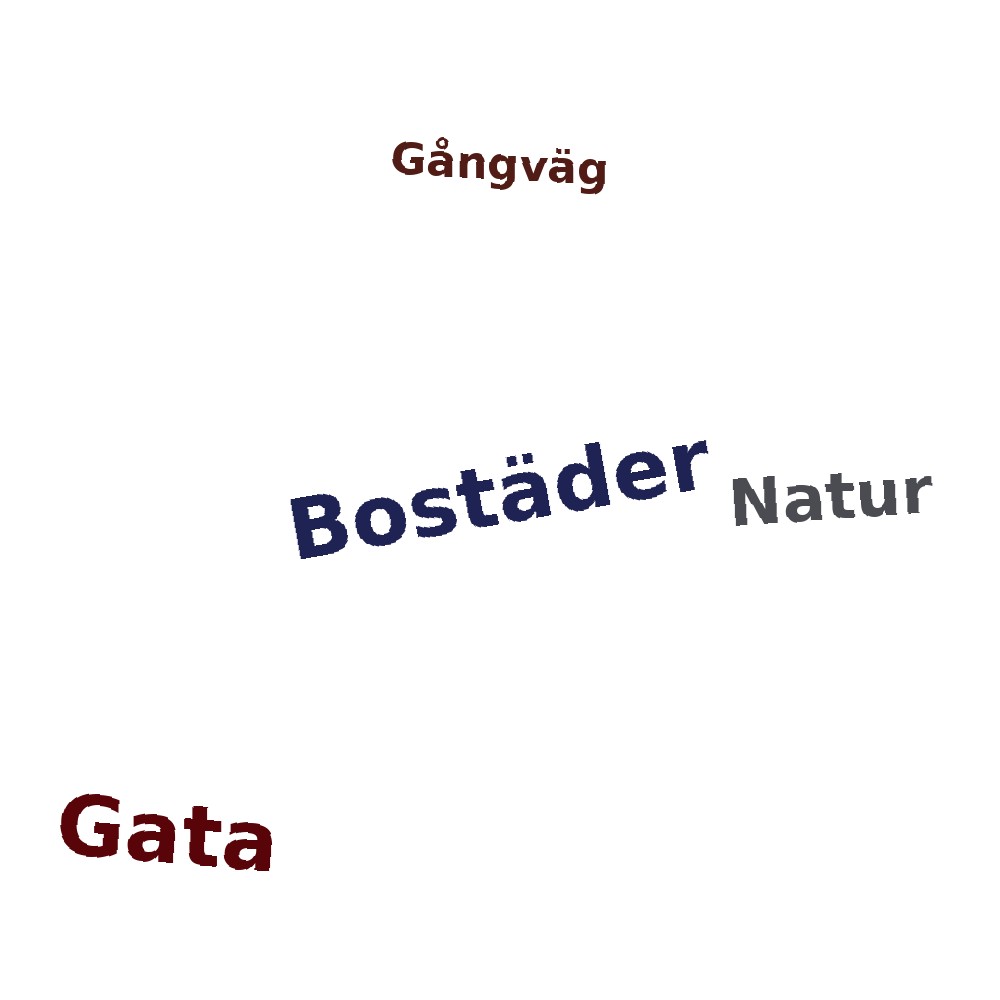
Vanligaste bestämmelserna
- Bostäder (3)
- Gata (3)
- Natur (2)
- Gångväg (1)
AI-analys av läget
- Input: A JSON object containing data about detailed plans (detaljplaner) for Härryda municipality. * Context: Data from the National Geodata Platform (NGP), municipality group from SKR. * Requirements: 1. Start with the total number of detailed plans and the distribution of status. 2. Analyze the purposes (syften) of the detailed plans. 3. Discuss the regulations (bestämmelser) without using exact numbers. 4. End with a summary conclusion in a separate paragraph. 5. Length: 600 - 700 words. 6. Formatting: Use HTML
<p>tags for paragraphs. 7. Language: Swedish.
*   Municipality: Härryda.
*   Population: 38,200.
*   Group: Storstäder och storstadsnära kommuner / Pendlingskommun nära storstad (A2).
*   Total plans (`antal_planer`): 2.
*   Status: `laga kraft`: 2.
*   Total regulations (`antal_bestammelser`): 9.
*   Top regulations: Bostäder (3), Gata (3), Natur (2), Gångväg (1).
*   Purposes:
    1.  Kullbäckstorp 2:274: Split into two residential properties, align with existing buildings.
    2.  Landvetter 6:638 and 6:107: Enable building of small houses (småhus).
*   Dates: Versions and legal force dates in 2026 (future dates, but I should treat them as data).

*   *Introduction (Total plans & Status):*
    *   Total plans: 2.
    *   Status: Both have legal force (laga kraft).
    *   Context: Härryda is a commuter municipality near a big city (Gothenburg).

*   *Analysis of Purposes (Syften):*
    *   Plan 1: Kullbäckstorp. Focus on subdivision (styckning) and residential development. Integration with existing architecture.
    *   Plan 2: Landvetter. Focus on small houses (småhus).
    *   General trend: Residential expansion, optimizing land use in a growing commuter area.

*   *Analysis of Regulations (Bestämmelser):*
    *   Avoid exact numbers.
    *   Focus on categories: Housing (Bostäder), Streets (Gata), Nature (Natur), Pedestrian paths (Gångväg).
    *   Interpretation: Balance between urban development (housing/streets) and preserving green spaces (nature).

*   *Conclusion:*
    *   Small sample size (2 plans), but clear focus on residential growth and infrastructure. Typical for a commuter municipality.

*   *Drafting Paragraph 1 (Intro):* Start with the basics. Härryda, 38,200 inhabitants. 2 plans. Both are legally binding. Mention NGP and SKR.
*   *Drafting Paragraph 2 & 3 (Purposes):* Elaborate on the two specific cases. Kullbäckstorp is about splitting land and aesthetic harmony. Landvetter is about creating new small-house plots. Connect this to the "commuter municipality" status—people want to live near the city but in smaller houses.
*   *Drafting Paragraph 4 & 5 (Regulations):* Discuss the types of regulations. Housing and streets are prominent. Nature is also mentioned. This shows a planning strategy that considers both the built environment and the natural landscape. (Remember: no exact numbers).
*   *Drafting Paragraph 6 (Conclusion):* Summarize. The data shows a targeted approach to residential expansion.

*   *Check word count:* I need to expand the descriptions to hit 600-700 words. I will elaborate on the implications of being a "pendlingskommun" and the importance of "laga kraft" in urban planning. I will discuss the architectural integration mentioned in the Kullbäckstorp plan.

*   *Expanding the "Purposes" section:* Talk about how subdivision (styckning) allows for denser but still low-rise residential areas. Discuss the importance of Landvetter as a hub.
*   *Expanding the "Regulations" section:* Discuss why "Gata" and "Gångväg" are necessary when adding new houses (accessibility). Discuss why "Natur" is important for quality of life in a commuter town.
*   *Expanding the "Intro":* Describe the role of NGP and SKR in providing this transparency.

*   Total plans/status? Yes.
*   Analysis of purposes? Yes.
*   Regulations (no exact numbers)? Yes.
*   Conclusion in own paragraph? Yes.
*   600-700 words? (Will monitor during final polish).
*   HTML `<p>` tags? Yes.